
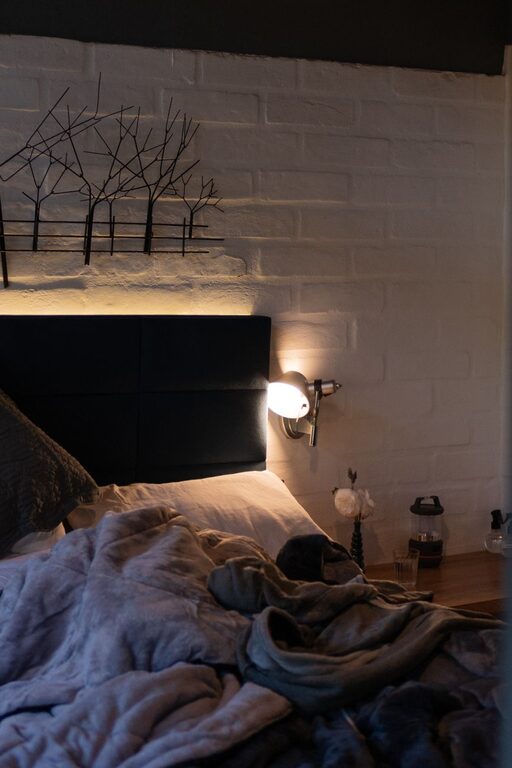
Creating a comfortable home environment goes beyond furniture and decor; the lighting you choose plays a vital role in how welcoming and cosy your space feels. Good lighting can boost your mood, improve productivity, and make everyday tasks easier. On the other hand, poor lighting may cause eye strain, headaches, or discomfort.
This guide will help you understand the essentials of comfortable home lighting and offer practical tips to select lighting that suits your lifestyle and enhances your home’s atmosphere.
Understanding Comfortable Lighting
Before diving into specific tips, it’s helpful to understand what makes lighting comfortable:
– Quality over brightness: Too bright or harsh light can be uncomfortable, while poorly lit rooms feel gloomy.
– Warmth and colour: Light colour temperature affects mood. Warm light is relaxing, cooler light encourages alertness.
– Balance and layering: A combination of ambient, task, and accent lighting creates a balanced, flexible environment.
– Control and adjustability: Being able to dim or change lighting according to time or activity adds comfort.
1. Choose the Right Colour Temperature
Lighting is measured in Kelvins (K), which indicates its colour temperature:
– Warm light (2700K-3000K): Has a yellowish glow, perfect for living rooms, bedrooms, and dining areas where relaxation is key.
– Neutral light (3500K-4100K): Offers a more natural white light, great for kitchens and bathrooms where clarity is important.
– Cool light (5000K-6500K): Mimics daylight and is often used in workspaces or areas where tasks require focus.
For comfortable home lighting, opt for warmer tones in spaces where you unwind and neutral or cooler tones where precision is needed.
2. Layer Your Lighting
Relying on a single overhead light can create harsh shadows or overly bright spots. Instead, use layers of light to create a comfortable environment:
– Ambient lighting: The general overhead lighting that illuminates the whole room.
– Task lighting: Focused light for specific activities like reading, cooking, or working.
– Accent lighting: Adds a decorative touch, highlighting artworks, architectural details, or plants.
For example, in your living room, use ceiling lights for ambient illumination, floor lamps by seating for reading, and spotlights or LED strips to accent shelves or pictures.
3. Use Dimmer Switches
Dimmer switches are a simple way to adjust the brightness according to your mood or time of day. Lower light levels in the evening promote relaxation and prepare your body for sleep.
Installing dimmers on main lights or lamps allows you to personalise lighting without needing multiple fixtures. Many modern dimmers are compatible with energy-efficient bulbs too.
4. Select Suitable Light Bulbs
The type of bulb influences comfort, energy use, and colour rendering:
– LED bulbs: Energy-efficient, long-lasting, and available in a variety of colour temperatures and brightness levels.
– Halogen bulbs: Offer bright, clear light with good colour rendering but consume more energy.
– Compact Fluorescent Lamps (CFLs): Use less energy than traditional bulbs but take time to reach full brightness and may flicker.
For comfort and sustainability, LED bulbs are generally the best choice. Look for bulbs with a high Colour Rendering Index (CRI) of 80 or above, which means colours appear more natural under the light.
5. Consider Natural Light
Maximising daylight helps reduce the need for artificial lighting and positively affects wellbeing. Keep windows unobstructed and use light, airy curtains to let in sunlight.
In darker rooms, use strategically placed mirrors or glass features to reflect daylight, making the space feel brighter and more spacious.
6. Match Lighting Style with Room Function
The purpose of a room influences the kind of lighting that will feel most comfortable:
– Living rooms: Soft, warm lighting that can be layered with lamps and dimmers.
– Bedrooms: Warm, low-level lighting for relaxation, avoiding bright overhead lights at night.
– Kitchens: Bright, neutral lighting with good task lighting over work surfaces.
– Bathrooms: Clear, shadow-free lighting around mirrors for grooming.
– Home offices: Balanced lighting with neutral or cool colour temperature to enhance focus.
Plan your lighting around how you use each room to make your home both practical and inviting.
7. Avoid Glare and Harsh Shadows
Uncomfortable lighting often comes from glare or uneven illumination:
– Position light sources so they do not shine directly into your eyes.
– Use lampshades, frosted bulbs, or diffusers to soften light.
– Ensure even light distribution to avoid deep shadows on desks or work areas.
These small adjustments improve comfort and reduce eye strain.
8. Experiment and Personalise
Every home is different, and personal comfort varies widely. Don’t hesitate to experiment with different fixtures, bulb types, and layouts.
Try out sample bulbs in lampshades or buy adjustable lighting that lets you change colour temperature and brightness. Your ideal setup will reflect your preferences and needs.
Conclusion
Choosing comfortable home lighting is about creating a balanced blend of warmth, brightness, and functionality tailored to your lifestyle. By considering colour temperature, layering light sources, using dimmers, and maximising natural light, you can transform your home into a welcoming space that supports both relaxation and productivity.
Remember, lighting is not just practical; it influences how you feel and live in your home every day. Taking the time to choose thoughtfully will pay off in comfort and ambience.