
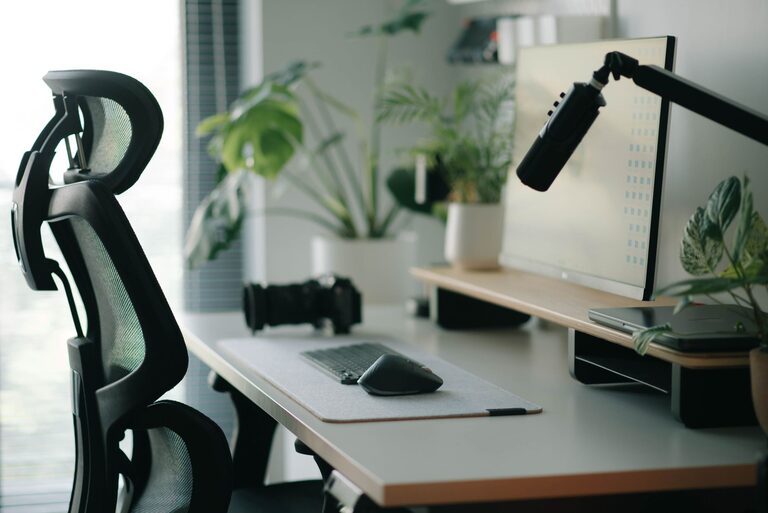
Creating an effective desk setup is key to maintaining focus and comfort during your workday. Whether you work from home or in an office, organising your workspace thoughtfully can boost productivity, reduce physical strain, and make your work routine more enjoyable. In this post, we’ll explore practical tips to design a desk setup that promotes both focus and comfort.
Why a Good Desk Setup Matters
Your desk setup influences how well you can concentrate and how comfortable you feel while working. Poor ergonomics can lead to discomfort, fatigue, and even long-term health issues like back pain or repetitive strain injuries. Conversely, a well-arranged workspace supports good posture, minimises distractions, and helps you stay motivated.
Choosing the Right Desk and Chair
Pick an Appropriate Desk Height
An ideal desk height allows your forearms to rest parallel to the floor when typing or writing. Standard desk heights are usually around 73 cm (29 inches), but this can vary depending on your height. Adjustable desks or standing desks offer flexibility to find the best height for your comfort.
Invest in an Ergonomic Chair
A good office chair supports your lower back and encourages upright posture. Look for chairs with adjustable seat height, lumbar support, and armrests. Comfortable cushioning and breathable material can also help if you spend long hours sitting.
Positioning Your Monitor Correctly
Eye Level and Distance
Place your monitor so that the top of the screen is at or slightly below eye level. This reduces neck strain by encouraging a natural head position. The screen should be about an arm’s length away, roughly 50–70 cm, to prevent eye fatigue.
Reduce Glare and Reflections
Position your monitor perpendicular to windows or light sources to minimise glare. Consider using an anti-glare screen filter if necessary. Adjusting the brightness and contrast settings can also help reduce eye strain.
Organising Your Desk Surface
Keep Essentials Within Reach
Arrange items you use frequently, like your keyboard, mouse, notepad, and pens, within easy reach. This prevents unnecessary stretching and helps maintain focus.
Declutter Regularly
A tidy desk reduces distractions and creates a calm working environment. Limit the number of decorative items or unnecessary gadgets on your desk. Use organisers such as trays, pen holders, or small drawers to keep things orderly.
Use Vertical Space
Shelves or wall organisers can free up desk surface space by storing books, documents, or office supplies. This keeps your workspace clean and efficient.
Lighting Your Workspace
Opt for Natural Light
Whenever possible, position your desk near a window to take advantage of natural daylight. Natural light can boost mood and alertness.
Supplement with Task Lighting
If natural light is insufficient or inconsistent, use an adjustable desk lamp to provide focused light on your work area. Choose a lamp with adjustable brightness or colour temperature settings to reduce eye strain.
Incorporating Comfort Accessories
Use a Keyboard and Mouse Wrist Rest
Wrist rests can provide cushioning and support for your hands, reducing pressure on your joints during extended typing or mouse use.
Add a Footrest
If your feet don’t comfortably reach the floor, a footrest can improve your posture by supporting your legs and reducing pressure on your lower back.
Consider a Desk Mat
A desk mat creates a smooth surface for your mouse and keyboard, protects your desk, and can add a touch of style to your workspace.
Managing Cables and Technology
Tidy Cable Management
Use cable clips, sleeves, or under-desk trays to keep cables organised and out of the way. This prevents tangling and maintains a clean workspace.
Optimise Device Placement
Position your phone, tablet, or other devices where you can easily see notifications without cluttering your desk or breaking your focus.
Personalising Without Overcrowding
Adding a few personal touches like plants, photos, or artwork can make your workspace more inviting and motivating. However, avoid overcrowding your desk to maintain a balance between personalisation and functionality.
Final Thoughts: Create a Space That Works for You
Every person’s ideal desk setup will differ slightly depending on their body, work habits, and preferences. The key is to pay attention to ergonomics, reduce distractions, and cultivate a comfortable, organised environment. Experiment with different arrangements and accessories until you find a setup that helps you stay focused and comfortable throughout your workday.
By following these desk setup tips, you can create a workspace that not only supports your productivity but also contributes positively to your wellbeing. Remember, small changes can make a big difference!