
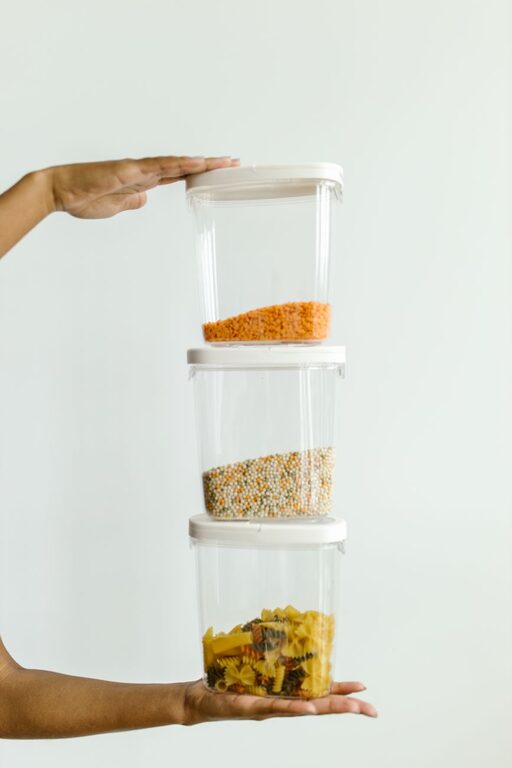
Planning meals from what you already have in your pantry is a smart, practical way to save time, money, and reduce food waste. By taking stock of your staple ingredients and learning how to combine them creatively, you can whip up a variety of tasty meals without a last-minute dash to the shop. This guide will walk you through the steps to plan meals from pantry basics and offer tips to make cooking easier and more enjoyable.
Why Plan Meals from Pantry Staples?
A well-stocked pantry can be a lifesaver when you’re busy or on a tight budget. Planning meals around pantry staples ensures you use ingredients efficiently and avoid unnecessary food waste. It also encourages creativity in the kitchen and helps you avoid the temptation of takeaways or processed convenience meals.
Step 1: Take Inventory of Your Pantry Staples
Before you start planning, it’s important to know exactly what you have on hand. Spend some time organising your pantry and taking stock:
– List all dry goods such as rice, pasta, lentils, beans, flour, and oats.
– Note canned and jarred items like tomatoes, chickpeas, tuna, and sauces.
– Check your spices, herbs, oils, and vinegars.
– Include frozen staples such as vegetables, fruit, or meat substitutes.
– Don’t forget baking ingredients like sugar, baking powder, and yeast.
Creating a clear inventory helps you avoid buying duplicates and tells you what meals you can prepare.
Step 2: Identify Your Pantry Meal Basics
Certain pantry staples are incredibly versatile and can form the foundation of many meals. Here are some typical staples and how they can be used:
– Rice: Can be served as a side, in stir-fries, soups, or as part of a salad.
– Pasta: Quick to cook and pairs well with many sauces or roasted vegetables.
– Canned tomatoes: Perfect for pasta sauces, stews, or chilli.
– Beans and lentils: Great for soups, salads, curries, or veggie burgers.
– Oats: Can be used for breakfast porridge, baking, or even savoury oat dishes.
– Stock cubes or powder: Enhance the flavour of soups, stews, and rice dishes.
– Spices: The right combination can transform simple ingredients into exciting meals.
Step 3: Plan Your Meals Using Pantry Staples
When you know what you have, you can start to plan meals. Here’s how:
Use Recipes as Inspiration
Look for recipes that focus on your pantry items. Simple soups, stews, pasta dishes, rice bowls, and curries are great places to start. Websites and cookbooks often allow you to search by ingredient.
Mix and Match Ingredients
Experiment by combining different staples. For example:
– Cook rice with canned tomatoes, spices, and frozen vegetables to make a quick one-pot meal.
– Toss cooked pasta with beans, olive oil, garlic, and herbs for a simple dish.
– Use oats and canned fruit to bake a quick crumble or muffin.
Plan for Leftovers
Cook larger portions and use leftovers for packed lunches or quick dinners. For instance, a pot of lentil stew can be served with rice one night and transformed into a filling wrap the next.
Balance Your Meals
Try to include protein (beans, lentils, canned tuna), carbohydrates (rice, pasta, potatoes), and plenty of vegetables (fresh, frozen, or canned) in each meal. This ensures meals are nutritious and satisfying.
Step 4: Create a Weekly Meal Plan
Once you have an idea of meals you can prepare, build a simple plan:
– Allocate certain staples to different days to keep variety.
– Consider how long ingredients stay fresh and plan meals accordingly.
– Make a shopping list for any fresh items needed, like vegetables or dairy.
– Keep meals flexible to accommodate any changes in your schedule.
Step 5: Useful Tips for Pantry Meal Planning
– Rotate Your Stock: Place newer items at the back and older ones at the front to use them before they expire.
– Use Labels: Date cans and packages when you buy them to keep track.
– Freeze Extras: You can freeze bread, cooked grains, or even sauces to prolong their shelf life.
– Keep Spices Handy: Having basic spices like cumin, paprika, pepper, and mixed herbs can enhance almost any dish.
– Invest in Quality Storage: Airtight containers keep staples fresh longer.
Sample Meal Ideas from Pantry Staples
– Chickpea and Tomato Curry: Use canned chickpeas, tomatoes, onions, garlic, and curry powder served with rice.
– Pasta with Tuna and Peas: Toss pasta with canned tuna, frozen peas, olive oil, and lemon juice.
– Lentil Soup: Combine lentils, stock cubes, carrots, onions, and spices for a comforting soup.
– Rice and Bean Salad: Mix cooked rice, canned beans, chopped peppers, some olive oil, and lemon juice.
– Oat Pancakes: Made with oats, baking powder, eggs, and milk, served with jam or fruit.
Conclusion
Planning meals from pantry staples is a practical skill that saves time and reduces stress. By knowing what you have, being creative with ingredients, and organising your meals, you can enjoy delicious, wholesome food every day. Start today by taking a look in your pantry—you might be surprised by how many meal options you already have at your fingertips. Happy cooking!