
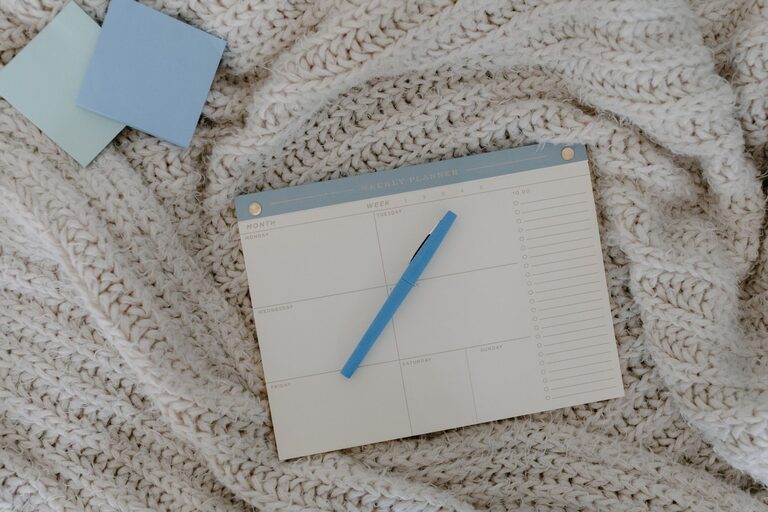
Taking time to relax and recharge over the weekend is essential for your wellbeing. However, the thought of planning a weekend can sometimes feel overwhelming, especially if you’re trying to fit too much in or feel pressured to be productive. The good news is that a no-stress weekend is entirely possible with a little careful planning and some mindful choices. Here’s a helpful guide to planning a weekend that leaves you refreshed and ready for the week ahead.
Why Plan a No-Stress Weekend?
Weekends are precious for rest, hobbies, and spending time with loved ones. Without a plan, they can slip away quickly, leaving you feeling like you didn’t get enough downtime. Planning helps you:
– Make intentional choices about how to spend your time
– Avoid last-minute rushes or stressful decisions
– Prioritise activities that promote relaxation
– Create a healthy balance between rest and activity
Step 1: Set Clear Intentions
Before the weekend starts, decide what you want from your days off. Do you need complete rest, a bit of adventure, time for hobbies, or catching up with friends? Setting intentions helps guide your planning and keeps you focused on what truly matters to you.
Tips for Setting Intentions
– Write down two or three goals for the weekend
– Be realistic about what you can achieve
– Consider personal wellbeing alongside social or household tasks
Step 2: Make a Loose Plan
Instead of scheduling every minute, create a flexible outline. This keeps things organised without feeling rigid.
Sample No-Stress Weekend Outline
– Friday evening: Easy meal, light activity like a walk or reading
– Saturday morning: Leisurely breakfast and a hobby or hobby-related outing
– Saturday afternoon: Relaxation time such as a nap, meditation, or watching a favourite film
– Sunday: Time outdoors, light chores, and preparing for the week ahead
Step 3: Prepare in Advance
To reduce weekend chores and last-minute errands, prepare during the week.
Preparation Ideas
– Plan and shop for meals ahead of time
– Lay out clothes or items you’ll need for weekend activities
– Set reminders for appointments or social plans
Step 4: Create a Relaxing Environment
Your surroundings play a big role in your stress levels. Make your home a calm retreat.
How to Make Your Space More Relaxing
– Declutter key areas like your living room and bedroom
– Use soft lighting or candles to create a cosy atmosphere
– Play calming music or nature sounds
– Have comfortable seating and blankets available
Step 5: Limit Screen Time
While screens can be a source of entertainment, excessive use can add to stress or fatigue. Try to balance screen time with other activities.
Alternatives to Screen Time
– Reading a book or magazine
– Walking in nature or gardening
– Practising mindfulness or gentle yoga
– Engaging in creative hobbies like drawing, knitting, or cooking
Step 6: Focus on Self-Care
Self-care isn’t just about pampering; it’s about doing what makes you feel good physically and mentally.
Self-Care Ideas for the Weekend
– Take a long bath or shower
– Enjoy a home spa treatment like a face mask
– Practice breathing exercises
– Get outside for fresh air and sunshine
– Eat nourishing meals and stay hydrated
Step 7: Connect with Loved Ones
Spending quality time with friends or family can be incredibly restorative. Choose activities that everyone enjoys and keep things low-key.
Ideas for Stress-Free Social Time
– A casual coffee or picnic in the park
– A board game or puzzle night at home
– A group walk or gentle cycle ride
– Sharing a meal without distractions
Step 8: Embrace Doing Nothing
Sometimes the best way to reduce stress is to allow yourself time to simply be. Doing nothing can help your mind and body reset.
How to Enjoy Doing Nothing
– Sit quietly with a cup of tea
– Watch the clouds or listen to birdsong
– Practice mindful breathing or gentle stretching
– Avoid feeling guilty about resting
Step 9: Reflect and Adjust
At the end of your no-stress weekend, take a few moments to reflect on what worked well and what could be improved next time.
Questions to Consider
– Did you feel more relaxed and recharged?
– Were your plans achievable and enjoyable?
– How did your environment influence your mood?
– What will you keep doing for future weekends?
Final Thoughts
Planning a no-stress weekend is about making intentional choices that support your wellbeing. By setting clear intentions, preparing in advance, and focusing on rest and meaningful activities, you can create weekends that refresh your mind and body. Remember, it’s not about doing everything perfectly but about finding balance and joy in your downtime.
Take it slow, be kind to yourself, and enjoy your stress-free weekend!